Cart
0
Add $150.00 more for free shipping!


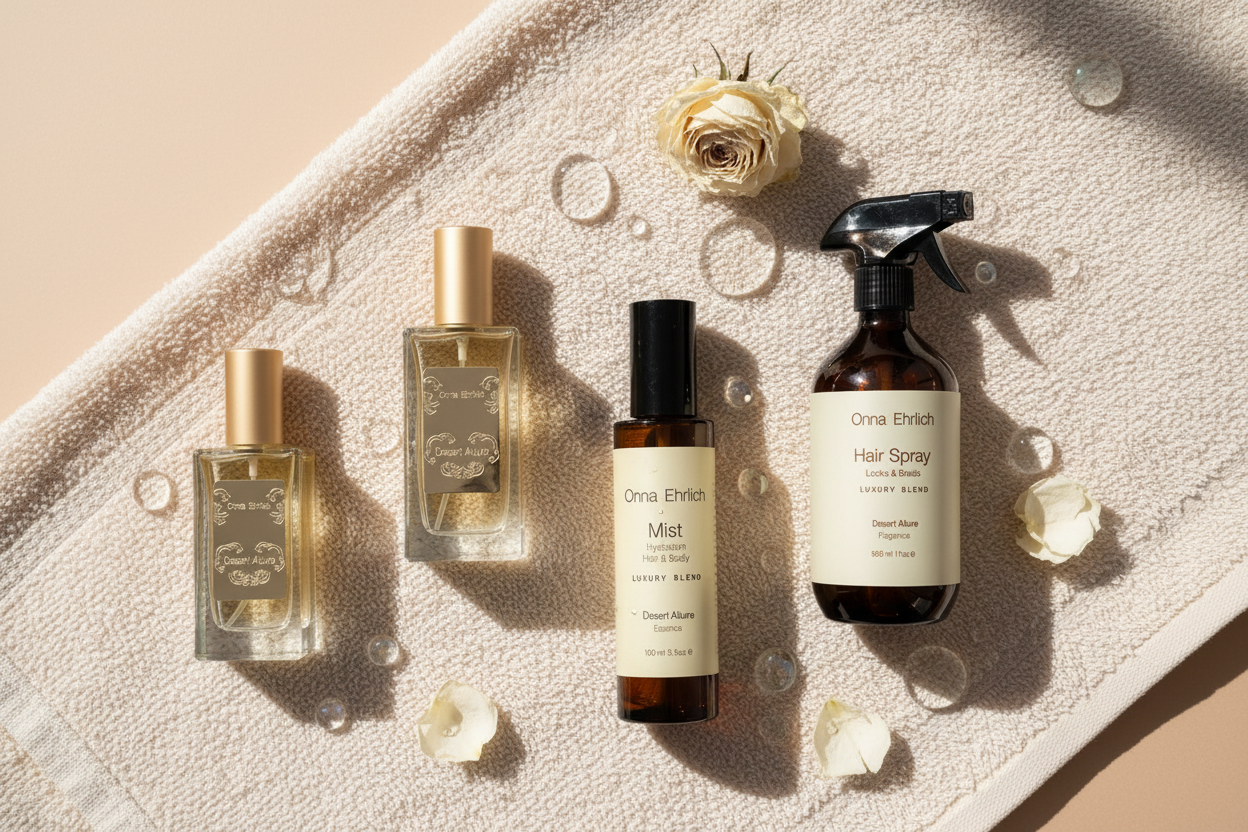
Achieving soft, hydrated skin isn't just about slathering on the most expensive moisturizer you can find — it's about building a consistent, thoughtful self-care routine that works with your skin's natural biology. Whether you're a skincare newbie or a seasoned enthusiast looking to refine your regimen, this guide will walk you through every essential step to help you unlock your most radiant, supple skin yet.
Your skin is your body's largest organ, and it's constantly working to protect you from environmental stressors, bacteria, and moisture loss. When your skin barrier is compromised — through harsh products, dehydration, or neglect — it becomes dry, dull, and prone to irritation. Hydrated skin, on the other hand, looks plump, feels smooth, and is far more resilient. The good news? A well-structured self-care routine can make a dramatic difference in as little as two weeks.
The foundation of any great skincare routine is a good cleanser. Cleansing removes dirt, excess oil, makeup, and environmental pollutants that accumulate on your skin throughout the day. However, over-cleansing or using harsh, stripping formulas can disrupt your skin's natural moisture barrier.
Choose a gentle, sulfate-free cleanser suited to your skin type. For dry or sensitive skin, a creamy or oil-based cleanser works beautifully. For oily or combination skin, a gel or foam cleanser can help manage excess sebum without over-drying. Cleanse once in the morning and once at night — and always use lukewarm water, as hot water can strip away natural oils.
Exfoliation is the secret weapon for soft, glowing skin. Dead skin cells accumulate on the surface of your skin, making it look dull and preventing your moisturizers and serums from penetrating effectively. Regular exfoliation sloughs away these dead cells, revealing the fresh, smooth skin underneath.
There are two main types of exfoliants: physical (scrubs) and chemical (AHAs and BHAs like glycolic acid and salicylic acid). Chemical exfoliants tend to be gentler and more effective for most skin types. Start with once or twice a week and gradually increase frequency as your skin adjusts. Always follow up with a moisturizer and SPF after exfoliating, as your skin will be more sensitive to the sun.
After cleansing, your skin is primed and ready to absorb active ingredients. A hydrating toner or essence helps restore your skin's pH balance and delivers an initial surge of moisture. Look for ingredients like hyaluronic acid, glycerin, aloe vera, and rose water — all of which attract and lock in moisture.
Apply your toner by gently patting it into your skin with clean hands or a cotton pad. This step prepares your skin to better absorb the products that follow, maximizing the effectiveness of your entire routine.
Serums are concentrated formulas designed to address specific skin concerns. For hydration and softness, look for serums containing hyaluronic acid, niacinamide, vitamin C, or peptides. Hyaluronic acid is a powerhouse humectant that can hold up to 1,000 times its weight in water, making it ideal for plumping and hydrating the skin.
Apply your serum after toning and before moisturizing. Use just a few drops — a little goes a long way — and gently press it into your skin rather than rubbing it in. Allow it to absorb for 30–60 seconds before moving on to the next step.
Moisturizing is non-negotiable, regardless of your skin type. Even oily skin needs hydration — in fact, skipping moisturizer can cause your skin to overproduce oil to compensate for the lack of moisture. A good moisturizer seals in all the hydrating goodness from your previous steps and creates a protective barrier against moisture loss.
In the morning, opt for a lightweight, non-comedogenic moisturizer. At night, you can go richer — look for ingredients like shea butter, ceramides, squalane, or jojoba oil. These help repair and replenish your skin barrier while you sleep, so you wake up with noticeably softer skin.
Sun protection is arguably the most important step in any skincare routine. UV rays are the number one cause of premature aging, hyperpigmentation, and skin damage. Even on cloudy days or when you're mostly indoors, UV rays can penetrate windows and affect your skin.
Apply a broad-spectrum SPF 30 or higher every single morning as the last step in your daytime routine. Many modern sunscreens are lightweight, non-greasy, and even double as a primer — so there's really no excuse to skip this step. Your future self will thank you.
Once or twice a week, elevate your routine with a hydrating face mask. Sheet masks soaked in hyaluronic acid and aloe vera, or wash-off masks with ingredients like honey, oat, or kaolin clay, can give your skin an intensive boost of moisture and nutrients. Think of it as a mini spa treatment at home.
Apply your mask after cleansing and exfoliating, leave it on for the recommended time, and follow up with your serum and moisturizer. This is also a great opportunity to practice mindfulness — put on some calming music, relax, and let the mask do its work.
No skincare routine is complete without addressing internal hydration. Drinking at least 8 glasses of water a day helps maintain your skin's moisture levels from within. Incorporate water-rich foods into your diet — cucumbers, watermelon, oranges, and leafy greens are all excellent choices. Omega-3 fatty acids found in salmon, walnuts, and flaxseeds also help strengthen your skin barrier and keep it supple.
Additionally, getting 7–9 hours of quality sleep each night allows your skin to repair and regenerate. Pair that with stress management practices like yoga, meditation, or journaling, and you'll notice a significant improvement in your skin's overall health and glow.
Explore Onna's Beauty collection for Best Self-Care products
Building the best self-care routine for soft and hydrated skin doesn't have to be complicated or expensive. It's about choosing the right products for your skin type, being consistent, and treating your skin with the care and attention it deserves. Start with the basics, cleanse, moisturize, and protect — and gradually layer in targeted treatments as you learn what your skin loves. Remember, great skin is a journey, not a destination. Embrace the process, enjoy the ritual, and let your natural glow shine through.