Cart
0
Add $150.00 more for free shipping!


There's a version of this story that starts with a factory. Ours doesn't. It starts with a hide, laid flat on a cutting table under good light, and someone running their hand across it to feel for flaws before a single tool touches it. Everything that happens after that moment, the pebbling, the cutting, the stitching, the hours of quiet, careful work, is in service of one thing: a bag that looks the same in year one as it does in year twenty.
We get asked a lot what "pebble leather" actually means, and honestly, most people assume it's a print. It's not. It's a texture pressed into the grain of real leather, and understanding how it's made changes how you see the bag in your hands. So we're pulling back the curtain.

Long before a bag takes shape, someone is standing over a full hide deciding what it's good for. Leather isn't uniform. Even from the same animal, one section is tighter-grained and better suited to a structured panel, while another is looser and better for something softer, like a gusset or a strap. A trained eye catches this in seconds; the rest of us would never notice.
This is also where quality gets decided before anything else does. Natural markings, thickness, and grain consistency all get checked here. A hide with the wrong texture or too many natural imperfections gets set aside for something else entirely, it never makes it into a bag. This step alone is why two bags that look identical on a shelf can age completely differently over the years. The good ones start good.

Once a hide passes inspection, it goes through the pebbling process, the step that actually gives pebble leather its name. The leather is pressed between embossing plates or rollers carved with a fine, uneven, pebble-like pattern. Heat and pressure push that texture permanently into the grain.
This isn't just about looks. That textured surface is more forgiving than smooth leather, it hides minor scratches and everyday wear far better, which is part of why pebble grain has become the go-to finish for bags that are meant to be used daily, not babied. It's a practical choice disguised as an aesthetic one.

Next comes the pattern. Every panel of a bag, the front, the back, the gusset, the strap, the interior lining, starts as a template, and those templates get laid across the hide like a puzzle before a single cut is made. The goal is to use the leather efficiently while keeping the grain direction consistent across every piece, so the finished bag doesn't look mismatched or patchy once it's assembled.
Cutting is done by hand or with a precision die press, but either way, someone is checking each panel against the template before it moves forward. A panel cut even slightly off grain will behave differently than the rest of the bag over time, it might stretch differently or age at a different rate, so this step gets more attention than people usually assume.

This is where most of the actual hours go. Structured panels are skived at the edges, shaved thinner, so seams lie flat instead of bulking up. Then everything is stitched, often on the same machines that have shaped fine leather goods for decades, with tension adjusted by hand for each panel depending on the leather's thickness.
Corners and stress points, where a strap meets the body of the bag, where a zipper turns a tight corner get reinforced stitching or extra passes, because these are the spots that take the most abuse over years of actual use. A bag doesn't fail in the middle of a flat panel. It fails at the seams, so that's where the real craftsmanship shows up.

Zippers, clasps, and rings get set by hand, tested for smooth movement, and checked for alignment before the bag moves any further. Edges get painted or burnished — a process that seals and smooths raw leather edges so they don't fray or absorb moisture over time. This step alone can take multiple thin coats with drying time in between, because rushing it leaves a rough, unfinished edge that will only get worse with wear.

Before a bag ever reaches packaging, it gets a full inspection — seams checked for even tension, hardware tested for movement, edges checked for smoothness, and the whole bag checked against the original sample for consistency. Anything that doesn't meet the standard doesn't ship. It's a slower, more expensive way to work than mass production allows for, but it's the only way a bag earns the right to be called long-lasting instead of just well-marketed.

None of this is really about the manufacturing itself, it's about what you're holding at the end of it. A bag built this way ages the way leather is supposed to age: softening at the edges, developing a richer color where your hand rests, wearing in rather than wearing out. That's not an accident. It's the result of dozens of small decisions made by people who cared about the twentieth year of ownership as much as the first.
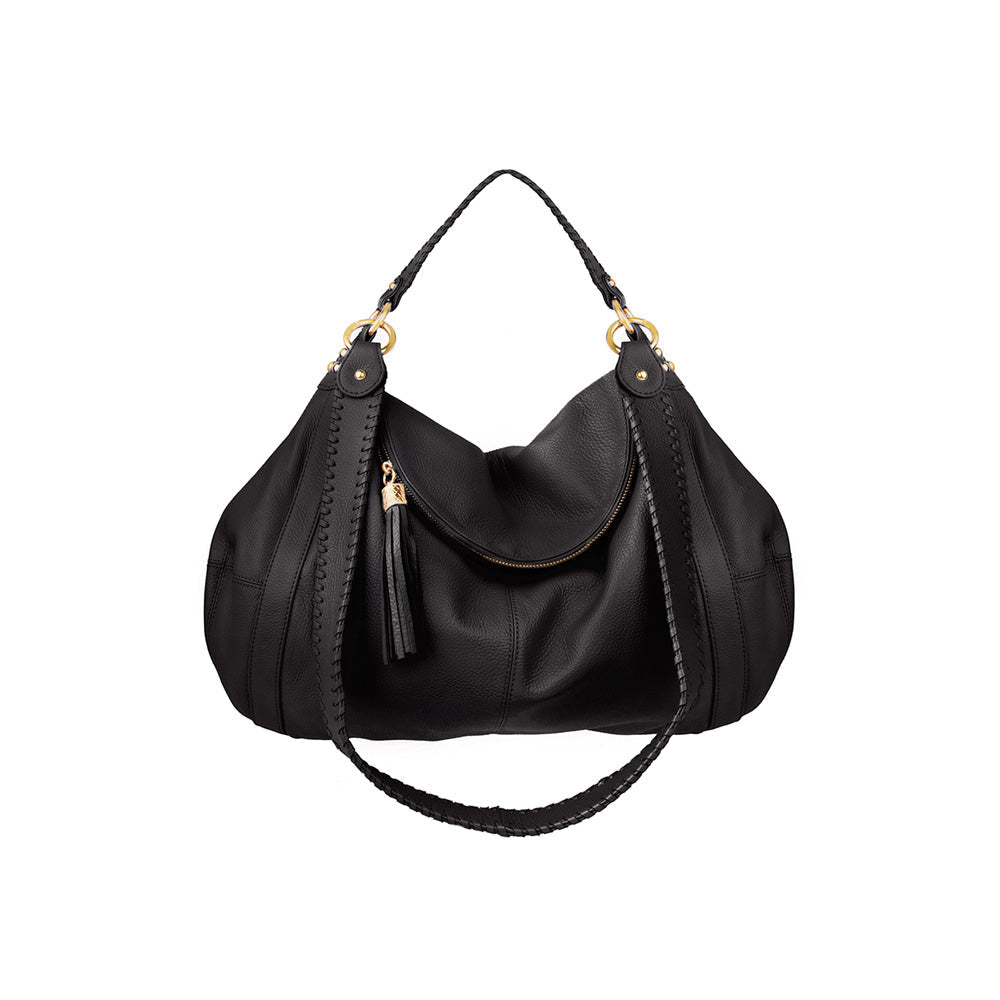
So the next time you run your hand across the pebbled texture of one of our bags, you're feeling the outcome of that entire process, the hide someone chose carefully, the pattern someone cut by hand, the seam someone reinforced because they knew exactly where it would eventually be tested. That's the difference between a bag and an heirloom.