Cart
0
Add $150.00 more for free shipping!


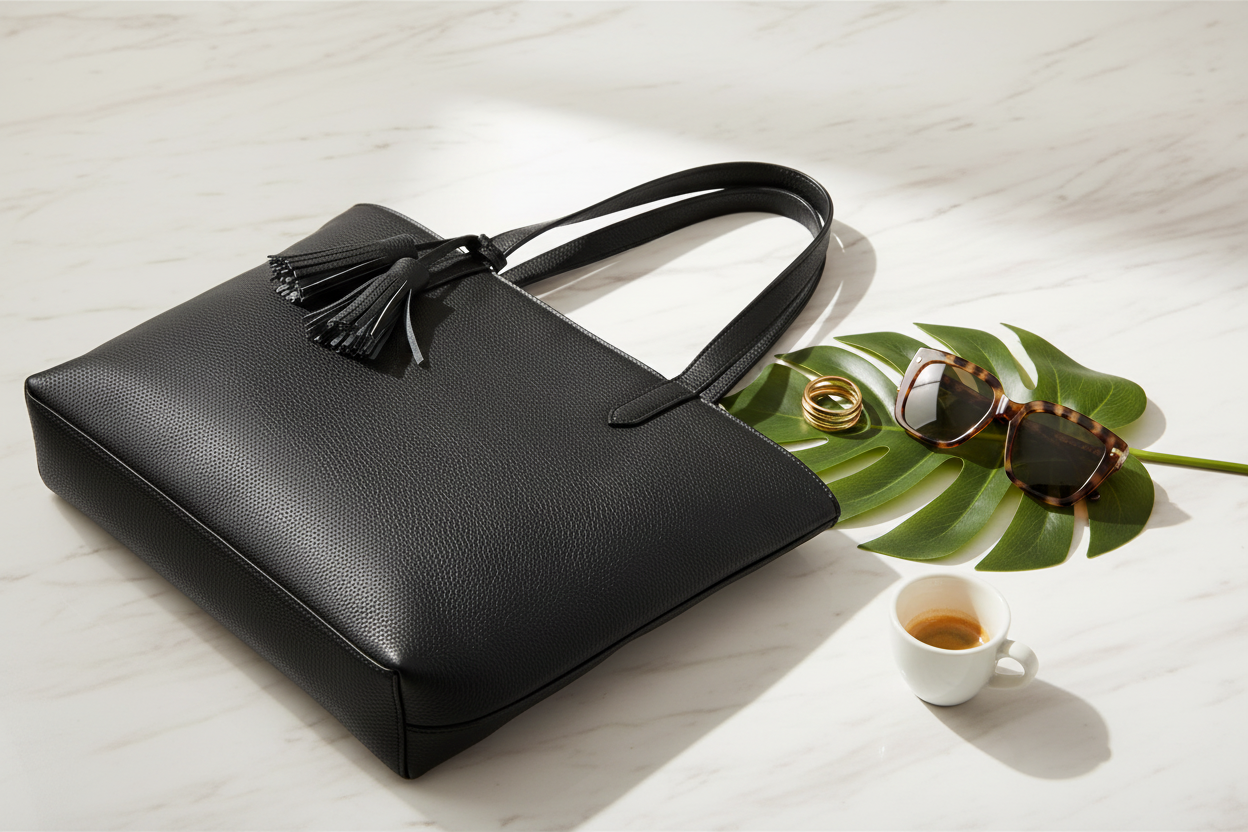
A tote bag looks simple: two handles, an open top, a roomy body. But ask anyone who's owned a cheap one for six months versus a well-made one for six years, and you'll hear two very different stories. Sagging seams, cracked straps, and stretched-out bottoms are the tell-tale signs of a tote that was never built to last, and they're avoidable if you know what to look for before you buy.
As someone who has spent years researching leather goods construction and following California's handbag and leather craft scene, I've broken down exactly what separates a genuinely well-made tote from one that just looks good on a shelf.
Material is the single biggest predictor of how a tote will age.
Full-grain leather is the gold standard. It uses the entire top layer of the hide, including the natural grain, which makes it resistant to tearing and gives it a patina that improves with age.
Top-grain leather is sanded and refinished, making it more affordable and slightly more stain-resistant, though less durable over decades of use.
Pebbled or textured leather (a favorite in California-made handbag lines) hides fine scratches and everyday wear far better than smooth leather, which is why it's so common in work totes.
Canvas and cotton duck are lightweight, casual, and easy to clean, but they lack structure and are more prone to sagging under heavy loads unless reinforced with interior panels.
Vegan and recycled leathers have improved significantly in recent years, though most still don't match genuine leather's tensile strength or longevity.
If you want a tote that can move seamlessly from a laptop bag to a weekend carry-all, leather, particularly a pebbled or full-grain cowhide, tends to outperform fabric alternatives in both structure and lifespan.
Durability comes down to three things: material, construction, and hardware.
A well-constructed leather tote can realistically last 10–20 years with basic care. Canvas totes, by comparison, often show wear (fraying edges, thinning fabric, stretched handles) within 2–3 years of regular use, especially if they're carrying laptops, water bottles, or groceries daily.
The biggest stress points on any tote are the handle attachments and the base. This is why the best-made bags reinforce these areas with double or triple stitching, riveted hardware, and sometimes a leather or metal base plate. A tote that's stitched only once along the handle seam is far more likely to fail under repeated weight than one with reinforced box stitching.
When evaluating a tote, look past the color and silhouette and check these details:
Reinforced handles — stitched multiple times or riveted where they meet the bag body, not just glued.
A structured base — either a built-in leather bottom, metal feet, or a firm interior panel that keeps the bag from collapsing when set down.
Interior organization — at minimum a zippered pocket for valuables and a slip pocket for a phone or keys.
Quality zippers and hardware — smooth-gliding zippers (YKK is a common industry benchmark) and hardware that resists tarnishing.
Even, tight stitching — inconsistent stitch length or loose threads are early warning signs of poor construction.
A lining that's actually sewn in, not just glued, so it doesn't peel or bunch after repeated use.
You can assess most of this with a five-minute in-person or close-photo inspection:
Squeeze the base. A quality tote should hold its shape rather than fold in on itself.
Check the stitching. Look for even spacing and no loose or hanging threads, especially at stress points like handle joints.
Smell and feel the material. Genuine leather has a distinct, slightly earthy smell and a texture with natural, irregular grain. Synthetic materials tend to feel uniformly smooth and plasticky.
Test the zipper and hardware. It should glide without snagging and feel substantial, not hollow or lightweight.
Look at the edges. Leather edges should be burnished (sealed and smoothed) or bound in fabric — raw, fraying edges are a shortcut that leads to peeling over time.
For most people who carry a bag daily, yes. The upfront cost of a genuine leather tote is higher than canvas or synthetic alternatives, but the cost-per-wear evens out — and often comes out ahead — over several years, since leather resists the sagging, tearing, and fading that fabric totes typically suffer.
Leather also ages differently than synthetic materials: instead of looking worn out, it tends to develop a richer, more personal patina. This is part of why heritage and independent leather goods makers, including several California-based handbag brands, lean into pebbled and full-grain cowhide for their tote lines — the material is forgiving of daily wear while still looking intentional years later. Onna Ehrlich's Amelia Work Tote collection, for example, uses pebbled cowhide leather specifically for this reason: it's a practical choice for a bag meant to go from laptop bag to travel companion without showing every scuff along the way.
That said, leather isn't the only "worth it" option, a well-constructed, reinforced canvas tote can still be a smart buy for lighter, more casual use, as long as you're not relying on it to carry heavy daily loads for years on end.

For work: Prioritize structure and organization. A tote with a flat, reinforced base, a padded laptop sleeve, and enough interior pockets to separate cables, notebooks, and personal items will hold up best to the daily commute.
For travel: Look for a slightly larger, more flexible tote that can compress under a seat or expand for last-minute items, ideally with a zip-top closure for security and a crossbody strap option for hands-free movement through airports.
For everyday use: Lighter pebbled leather or canvas totes with a simple, open-top design tend to be the most versatile, easy to grab, easy to clean, and forgiving of the daily wear that comes with errands, school pickups, or weekend outings.
A genuinely good tote bag isn't about the logo or the price tag alone, it's about material quality, reinforced construction at stress points, and hardware that's built to last. Full-grain or pebbled leather, tight and even stitching, a structured base, and thoughtful interior organization are the features that separate a bag you'll still be using in five years from one you'll be replacing in five months. Whether you land on leather or a well-built canvas option, running through this checklist before you buy is the best way to make sure your tote earns its place in daily rotation.