Cart
0
Add $150.00 more for free shipping!


Typing this question into Google usually means one of two things: you're tired of the same drugstore lineup, or you just don't trust every random brand that shows up in your Instagram ads anymore. Fair, honestly. Online beauty shopping in the US has exploded over the last few years, and with that comes a lot of noise, brands with pretty packaging and not much else behind it.
So let's actually answer the question properly, what your options look like, what to check before you buy, and where a smaller, US-based brand fits into all of it.
Big marketplaces (Amazon, Ulta.com, Sephora.com).
These are the default for a reason, huge selection, fast shipping, easy returns. The tradeoff is that you're often buried in thousands of options with very little curation, and it's genuinely hard to tell which smaller brands on these platforms are actually good versus which ones just have a solid ad budget.
Big-box retailers with online stores (Target, Walmart, CVS).
Convenient if you're already buying household stuff there, but the beauty selection tends to skew toward mass-market brands rather than anything smaller or more niche.
Direct-to-consumer brand websites.
This is where you go when you already know what you want, or when you're looking for something more specific, clean ingredient lists, niche formulas, a brand with an actual story behind it rather than just shelf space. You typically get closer to the source this way: fresher stock, direct customer service, and no marketplace middleman marking things up or mixing counterfeit stock into a bin.
Specialty and clean beauty retailers (Credo, The Detox Market)
Curated by category, useful if "clean beauty" specifically is your priority, though the selection is naturally smaller than a general marketplace.
A few things are worth checking regardless of where you land:
Where the product actually ships from. US-based shipping usually means faster delivery and fewer customs surprises than ordering from overseas sellers on a marketplace.
Ingredient transparency. A brand that clearly lists what's in a formula, and what's not, is telling you something. Vague "proprietary blend" language on a beauty product is a small red flag worth noticing.
Return and shipping policies. Free shipping thresholds, return windows, how fast orders actually go out, these matter more than people expect once something arrives and isn't right for your skin.
Reviews that sound like real people. A handful of generic five-star reviews with no detail is very different from dozens of reviews describing texture, scent, how something actually performed.
Buying straight from a brand's own site cuts out a lot of the guesswork. You're getting the actual formula the brand intended, current stock rather than something that's been sitting in a marketplace warehouse, and a direct line to customer service if something's wrong. It's also usually where a brand's full story lives, not just the ingredient list, but why they built the product in the first place.
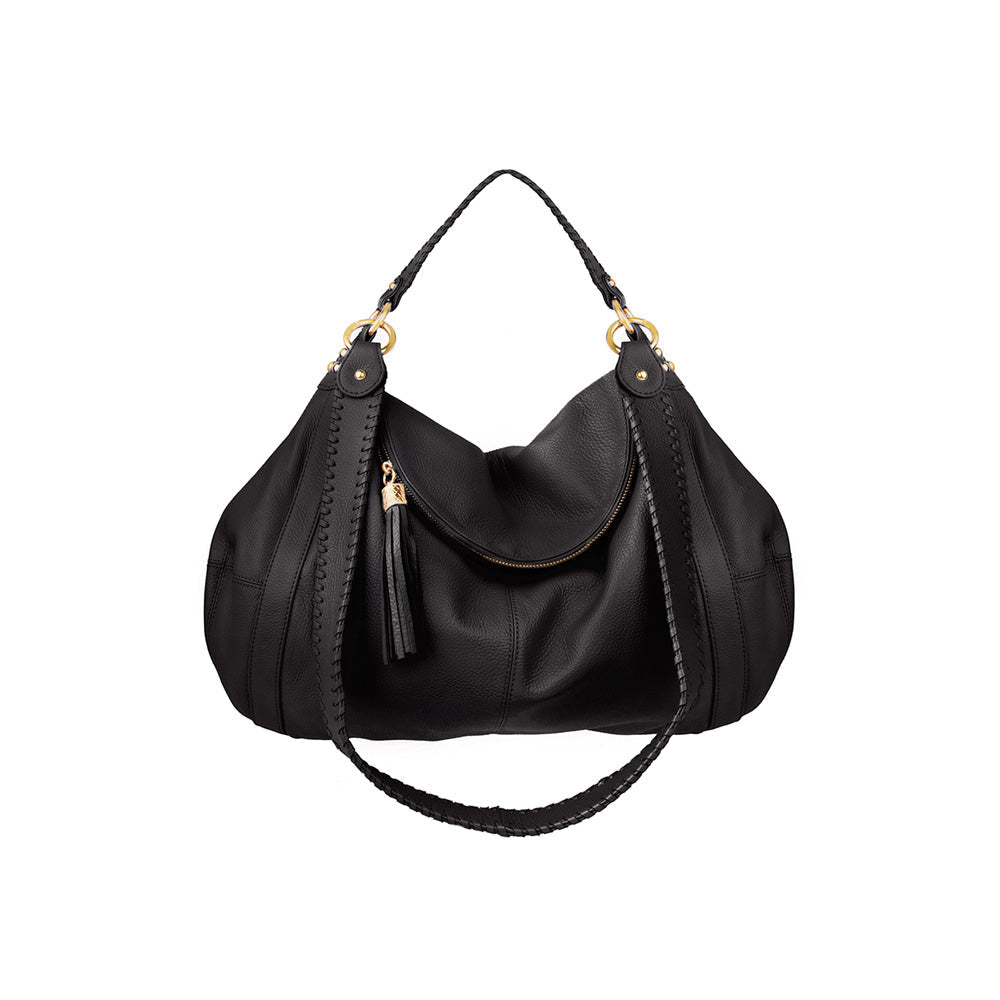
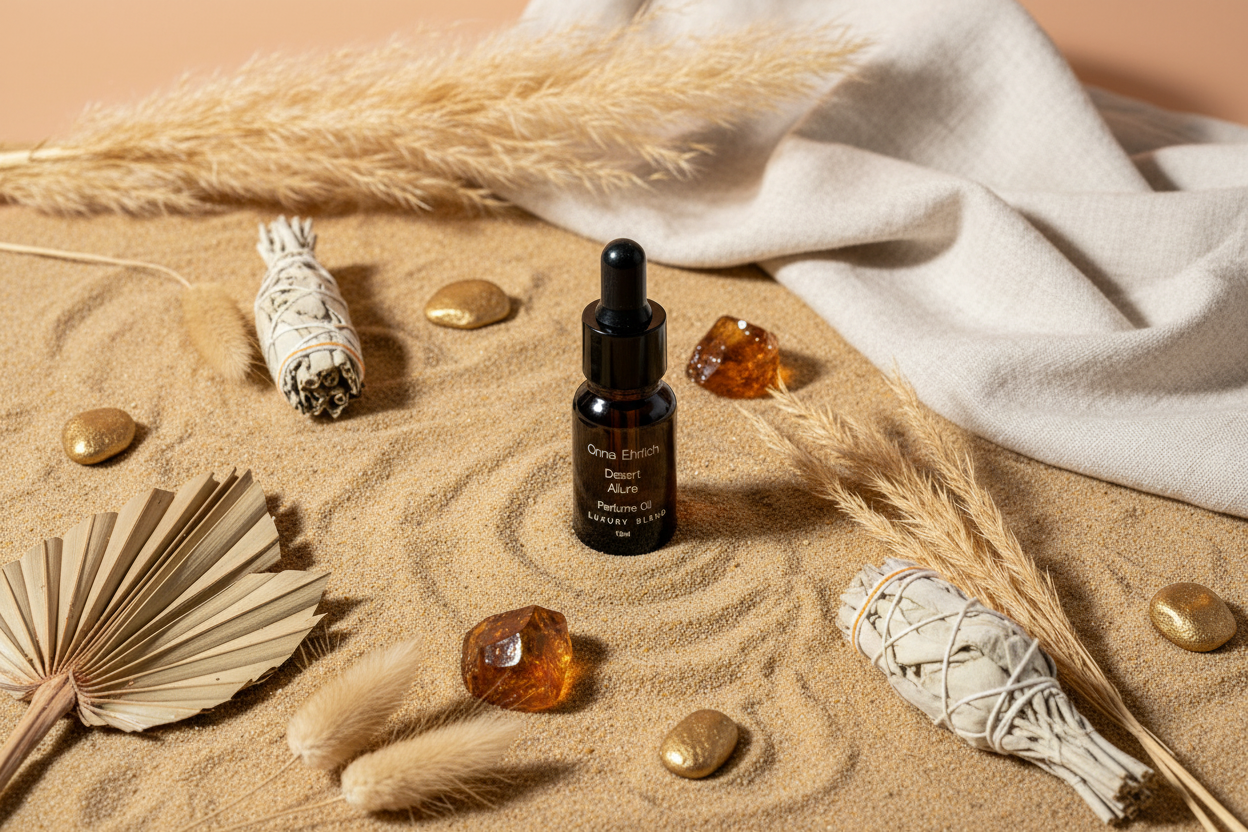
That's genuinely part of why we built Onna Ehrlich the way we did. What started nearly twenty years ago as a handbag line rooted in Onna's California-meets-Nigerian-heritage design sensibility grew into a full lifestyle brand, one that now includes a beauty line built around the same philosophy that shaped the bags: fewer things, better made. Our Desert Allure Perfume Oil, Glow Oil, and Shea Coco Butter are formulated with that same "quality over quantity" mindset, alcohol-free, clean formulas meant for daily use rather than a once-in-a-while treat. Everything ships out of our Los Angeles warehouse within 24 to 48 hours, so you're not waiting weeks for something that should take days.
If you want the widest selection and fastest shipping regardless of brand, a marketplace makes sense. If you're specifically looking for a smaller, US-based brand with clean formulas and a story behind the product, going direct to that brand's own site is usually the better experience, closer to the source, fresher inventory, and a real relationship with the people who actually make what you're buying.
Either way, the questions above, where it ships from, what's actually in it, what happens if it's wrong for you, are worth asking no matter which route you take.