Cart
0
Add $150.00 more for free shipping!


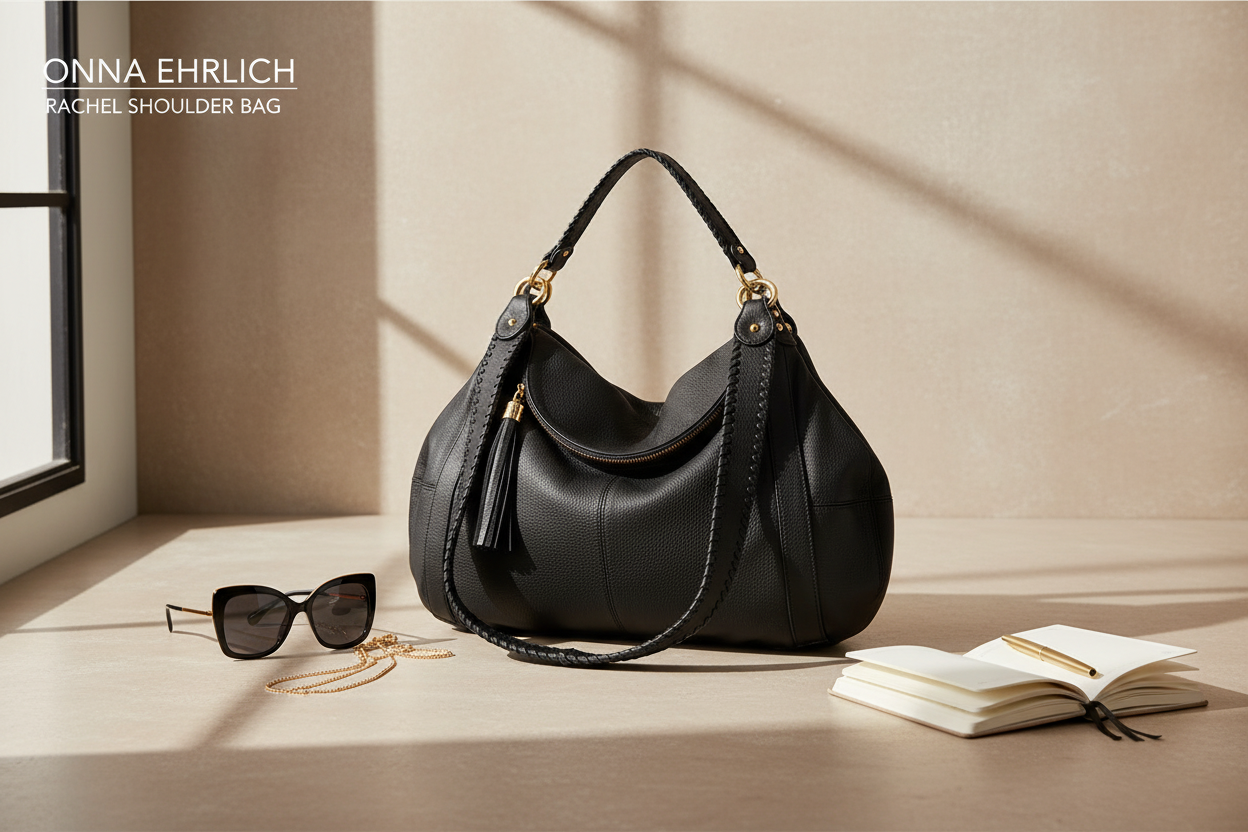
Luxury handbags last for decades because they're built from full-grain leather with reinforced stitching, solid hardware, and construction meant to be repaired. Fast fashion bags use synthetic materials, glued seams, and cheap zippers designed for a season, not a lifetime, so they crack, peel, and break within a year or two.
If you've ever watched a $40 bag start peeling at the corners three months in, you already know the feeling. It's not bad luck. It's the whole point of how that bag was made. Fast fashion accessories are engineered to be replaced, while a well-made leather bag is engineered to be kept. Once you understand the difference in materials and construction, the price gap starts to make a lot more sense.
Also Read: How Can You Tell If Leather Is Real or Fake?
The biggest difference between a bag that lasts and one that doesn't has nothing to do with logos or branding. It comes down to what's actually in your hands.
Real leather, full-grain or top-grain, is a natural material that gets better with age. It develops a patina, softens in the right places, and holds its shape because the fibers are dense and interconnected. Fast fashion bags, on the other hand, are usually made from PU (polyurethane) or PVC "leather," which is essentially a plastic coating over a fabric base. That coating doesn't age. It cracks, flakes, and eventually just falls off, because there's no living material underneath to hold it together.
This is why a well-made leather handbag can be handed down a generation later, while a synthetic lookalike is usually in a landfill within a couple of years.
Materials matter, but construction is where you really see the gap. A handbag built to last is stitched, not glued, and where glue is used, it's a reinforcement, not the only thing holding the bag together. Seams are double-stitched or bar-tacked at stress points like handles and corners, the places that take the most abuse every single day.
Fast fashion production runs on speed and volume, which means adhesive bonding instead of stitching wherever possible, because it's faster and cheaper at scale. The problem is that glue breaks down with heat, humidity, and time. That's the actual reason a strap suddenly detaches from a bag that looked perfectly fine the week before, the glue simply gave out.
Hardware tells the same story. Look closely at a quality bag and you'll notice zippers, clasps, and buckles that are solid metal, often plated brass or zinc alloy, finished so they don't tarnish or snap under normal pressure. Cheaper bags use lightweight pot metal or plastic hardware that's the first thing to break, a zipper pull that comes off in your hand, a clasp that stops closing after a few weeks.
Here's something people don't think about until it happens: a well-made bag can usually be repaired. A loose strap can be restitched. Hardware can be replaced. Leather can be reconditioned. That repairability is baked into the construction from day one, it's designed with the assumption that it'll be used for years and might need the occasional tune-up.
Fast fashion bags aren't built with that in mind. Once the glue fails or the synthetic coating peels, there's often nothing to repair, the materials themselves have degraded. You're not looking at a fix, you're looking at a replacement, which is exactly what the fast fashion model wants.
If you're curious about the kind of craftsmanship that goes into pieces meant to last, it's worth reading about how a brand actually approaches design and materials, rather than just what the marketing says.
Also Read: Inside the Atelier: How Our Pebble Leather Bags Are Made
A $40 bag that needs replacing every eight months adds up to $60 a year, and that's before you factor in the environmental cost of constantly manufacturing and discarding synthetic materials that don't biodegrade. A well-made crossbody bag or shoulder bag that costs more upfront but lasts ten-plus years works out to a fraction of that annual cost, and you're not sending plastic-coated fabric to a landfill every few seasons.
There's also the everyday experience of using the thing. A bag that holds its shape, doesn't sag under the weight of your stuff, and still looks sharp after years of use just works better. That's not really about status it's about a product doing its job properly.
Fast fashion bags are designed around a business model that needs you to buy again soon. Luxury and heritage brands are designed around the opposite idea, that a good bag should outlast the trend it was bought for. Once you've carried both kinds, the difference stops being about price and starts being about which one actually respects your money.